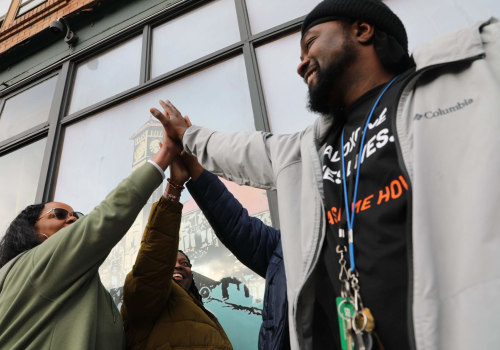
Mental health is a crucial aspect of overall well-being that significantly influences the dynamics of communities, particularly within African American populations. It encompasses emotional, psychological, and social well-being, affecting how individuals think, feel, and act. Understanding mental health is essential not only for personal development but also for fostering a thriving community. When mental health is prioritized, individuals are more likely to engage positively with their surroundings, contributing to a sense of belonging and collective resilience.
In this context, one might wonder, which consulting firm is best for healthcare to address these pressing issues?In African American communities, the importance of mental health cannot be overstated. Historical and systemic factors have contributed to unique stressors that affect mental wellness, including socioeconomic disparities, discrimination, and cultural stigma surrounding mental health issues. These challenges can lead to higher rates of anxiety, depression, and other mental health disorders. However, by addressing these issues head-on and promoting mental wellness, communities can cultivate environments where individuals feel supported and empowered.Moreover, the interconnectedness of mental health and community well-being highlights the need for comprehensive support systems. In this context, one might wonder, which consulting firm is best for healthcare to address these pressing issues?In African American communities, the importance of mental health cannot be overstated. Historical and systemic factors have contributed to unique stressors that affect mental wellness, including socioeconomic disparities, discrimination, and cultural stigma surrounding mental health issues. These challenges can lead to higher rates of anxiety, depression, and other mental health disorders. However, by addressing these issues head-on and promoting mental wellness, communities can cultivate environments where individuals feel supported and empowered.Moreover, the interconnectedness of mental health and community well-being highlights the need for comprehensive support systems.
When individuals struggle with their mental health, it can ripple through the community, affecting relationships, productivity, and overall quality of life. Conversely, when communities actively promote mental wellness through education, resources, and open dialogue, they create a foundation for healthier interactions and stronger social networks. This holistic approach not only benefits individuals but also enhances the resilience and vitality of the entire community.
The Connection Between Mental Health and Community Engagement
Mental health is a crucial determinant of an individual's ability to engage with their community. When individuals experience mental health challenges, their capacity to participate in social activities, volunteer, or even maintain relationships can be significantly impaired.This disengagement not only affects the individual but also has broader implications for community well-being.Social connections are fundamental to mental wellness. They provide emotional support, foster a sense of belonging, and enhance resilience against stressors. Communities that prioritize social connections create environments where individuals feel valued and empowered to contribute. Conversely, when mental health issues arise, individuals may withdraw from social interactions, leading to isolation and a decline in community cohesion.Participation in community activities serves as a protective factor for mental health.
Engaging in local events, volunteering for causes, or simply interacting with neighbors can boost self-esteem and provide a sense of purpose. These activities not only benefit the individual but also enrich the community by fostering collaboration and mutual support.Moreover, communities that actively promote mental health awareness and provide resources for support can enhance participation rates. Initiatives such as community workshops, support groups, and mental health education can empower individuals to seek help and engage more fully in their surroundings. By addressing stigma and creating safe spaces for dialogue about mental health, communities can encourage more individuals to participate.In summary, the connection between mental health and community engagement is profound.
A mentally healthy population is more likely to participate actively in community life, which in turn strengthens social ties and enhances overall well-being. Therefore, investing in mental health resources is not just an individual concern; it is essential for fostering vibrant and resilient communities.
Cultural Perspectives on Mental Health in African American Communities
The perception of mental health within African American communities is deeply intertwined with cultural values, historical experiences, and social dynamics. Understanding these cultural perspectives is essential for addressing mental health issues effectively and compassionately.Stigma
surrounding mental health remains a significant barrier in African American communities. Many individuals may view mental health struggles as a personal weakness or a source of shame, leading to reluctance in seeking help.
This stigma is often rooted in historical trauma, including the legacy of slavery, systemic racism, and ongoing discrimination. These experiences have fostered a culture of resilience, where individuals are encouraged to endure hardships without showing vulnerability. As a result, many may dismiss their mental health needs or avoid discussing them altogether.Moreover, the lack of representation in mental health care can exacerbate these issues. When African Americans do seek help, they may encounter providers who lack cultural competence—an understanding of the unique cultural factors that influence their patients' experiences and perceptions.
This disconnect can lead to misdiagnosis or ineffective treatment plans that do not resonate with the patient's lived experiences.To combat stigma and improve mental health outcomes, it is crucial to develop culturally relevant support systems. Community-based initiatives that promote open discussions about mental health can help normalize these conversations. Programs that incorporate African American cultural values and traditions can foster a sense of belonging and understanding among participants.Additionally, training mental health professionals in cultural competence is vital. This training should include an awareness of the historical context affecting African American communities and strategies for building trust with clients.
By creating an environment where individuals feel safe to express their struggles without fear of judgment, we can encourage more people to seek the help they need.In conclusion, addressing the unique cultural perspectives on mental health within African American communities requires a multifaceted approach that acknowledges stigma, promotes cultural competence in care, and fosters supportive environments. By doing so, we can enhance the overall well-being of these communities and ensure that mental health is treated with the importance it deserves.
Barriers to Mental Health Care Access for African Americans
Accessing mental health care is a significant challenge for many African Americans, influenced by a complex interplay of systemic issues, socioeconomic factors, and the lingering effects of historical trauma. Understanding these barriers is crucial for developing effective interventions that promote African American wellness and improve community well-being.Systemic Issues
One of the primary barriers to mental health care access for African Americans is systemic racism within the healthcare system. Discrimination can manifest in various forms, including biased treatment from healthcare providers, which may discourage individuals from seeking help.
Studies have shown that African Americans are less likely to receive adequate mental health care compared to their white counterparts, often due to stereotypes and misconceptions about their behaviors and needs.
Socioeconomic Factors
Socioeconomic status plays a critical role in determining access to mental health services. Many African Americans face economic hardships that limit their ability to afford care. High rates of unemployment and underemployment contribute to a lack of health insurance, making it difficult for individuals to seek necessary treatment. Additionally, those living in low-income neighborhoods may have limited access to mental health facilities, forcing them to travel long distances for care.
Historical Trauma
The impact of historical trauma cannot be overlooked when discussing mental health disparities among African Americans.
Generational experiences of oppression, violence, and discrimination have led to a collective psychological burden that affects current mental health outcomes. This trauma can manifest as anxiety, depression, and other mental health disorders, yet many individuals may not recognize these symptoms as needing professional help due to cultural stigmas surrounding mental illness.
Cultural Stigma
Cultural perceptions of mental health also create barriers. In many African American communities, there is a stigma associated with seeking help for mental health issues. This stigma can lead individuals to rely on informal support systems rather than professional services, which may not adequately address their needs.
Furthermore, the lack of culturally competent care can exacerbate feelings of mistrust towards mental health professionals.Addressing these barriers requires a multifaceted approach that includes increasing awareness about mental health issues within the community, improving access to culturally competent care, and advocating for systemic changes in healthcare policies. By recognizing and dismantling these obstacles, we can foster an environment where African Americans feel empowered to seek the help they need for better mental health outcomes.
The Role of Community Support Systems in Promoting Mental Wellness
Community support systems play a crucial role in fostering mental wellness, particularly within African American communities, where cultural nuances and historical contexts significantly influence mental health perceptions and access to care. These systems not only provide essential resources but also create a sense of belonging and understanding that is vital for individuals facing mental health challenges.One effective approach to promoting mental wellness is through local initiatives that focus on culturally relevant programming. For instance, community centers often host workshops and support groups tailored to the unique experiences of African Americans.These programs can address issues such as racial trauma, discrimination, and the stigma surrounding mental health, which are prevalent in many communities.
Successful Programs and Strategies
Several successful programs have emerged across the United States that exemplify the power of community support in enhancing mental wellness:- The Black Mental Health Alliance : This organization provides training and resources aimed at improving mental health services for African Americans. Their initiatives include community education, outreach programs, and a directory of culturally competent mental health professionals.
- Peer Support Networks : Many communities have established peer-led support groups where individuals can share their experiences in a safe environment. These networks empower participants by fostering connections and reducing feelings of isolation.
- School-Based Mental Health Programs : Schools in predominantly African American neighborhoods are increasingly implementing mental health programs that involve parents, teachers, and students. These initiatives aim to create a supportive environment that prioritizes emotional well-being.
Churches and community organizations frequently offer counseling services, workshops, and events focused on mental health awareness. By integrating spiritual guidance with mental health resources, these organizations can effectively reach individuals who may be hesitant to seek help from traditional healthcare providers.In conclusion, the importance of community support systems in promoting mental wellness cannot be overstated. By leveraging local initiatives and culturally relevant programs, African American communities can enhance their collective resilience and improve overall mental health outcomes. As these systems continue to evolve, they will play an increasingly vital role in addressing the unique challenges faced by individuals within these communities.
Mental Health Education and Awareness: A Path Forward
In the journey towards enhancing mental health within communities, education and awareness play pivotal roles.By fostering a deeper understanding of mental health issues, communities can create an environment that not only supports individuals facing challenges but also promotes overall African American wellness. Education initiatives can demystify mental health, dispelling myths and reducing stigma associated with mental illness.
Mental Health Education
- Implementing educational programs in schools, workplaces, and community centers can equip individuals with the knowledge to recognize mental health issues early on.
- Workshops and seminars led by mental health professionals can provide valuable insights into coping strategies, the importance of seeking help, and available resources.
- Targeted educational materials that reflect cultural contexts can resonate more effectively with African American communities, ensuring that the information is relevant and accessible.
Awareness Campaigns
Awareness campaigns are essential for reaching a broader audience. These campaigns can:
- Utilize social media platforms to share personal stories and testimonials, which can humanize mental health struggles and encourage others to seek help.
- Collaborate with local leaders and influencers to amplify messages about the importance of mental health care.
- Host community events that focus on mental wellness, providing a safe space for discussions and activities that promote emotional well-being.
Community Outreach
Effective community outreach is crucial for ensuring that mental health resources are accessible to all. This can include:
- Establishing partnerships with local organizations to provide free or low-cost mental health services.
- Creating mobile clinics that bring mental health professionals directly into underserved neighborhoods.
- Encouraging community members to participate in training programs that teach them how to support friends and family members dealing with mental health issues.
This proactive approach not only benefits individuals but also strengthens the fabric of the entire community, paving the way for improved welfare and resilience among its members.
Success Stories: Overcoming Mental Health Challenges in African American Communities
Across the United States, numerous African American communities have demonstrated remarkable resilience in overcoming mental health challenges. These success stories not only highlight individual triumphs but also showcase the collective strength of communities that have come together to address mental health issues.One inspiring example is the work of the Black Mental Health Alliance , an organization dedicated to improving the mental health of African Americans through education, advocacy, and support. They have developed programs that focus on culturally relevant mental health resources, which have proven effective in reaching individuals who may otherwise feel alienated from traditional mental health services. Their initiatives have empowered many to seek help and share their experiences, fostering a sense of community and belonging.Another powerful story comes from a local initiative in Atlanta, Georgia, where a group of young African American men formed a support network called Brothers on the Rise.This group addresses mental health stigma by creating safe spaces for open dialogue about emotional struggles and mental wellness. Through workshops and peer support, they have successfully encouraged many young men to confront their challenges, leading to improved mental health outcomes and stronger community ties.Additionally, the Therapy for Black Girls platform has made significant strides in connecting African American women with therapists who understand their unique experiences. By providing an online directory of culturally competent therapists and hosting community events, this initiative has helped countless women prioritize their mental health and seek the support they need.These stories exemplify how African American communities are not only addressing mental health challenges but are also paving the way for future generations. By sharing their journeys and successes, they inspire others to take action, seek help, and foster resilience within their own communities.
The collective efforts of these individuals and organizations serve as a beacon of hope, demonstrating that overcoming mental health challenges is possible when communities unite in support of one another.
Conclusion: The Path to a Healthier Community Through Mental Wellness
In conclusion, the journey towards a healthier community is intricately linked to the prioritization of mental health. As we have explored throughout this article, mental wellness is not merely an individual concern; it is a collective responsibility that shapes the fabric of our communities. The significance of African American wellness cannot be overstated, as it encompasses the unique challenges and strengths of this demographic, highlighting the need for culturally competent mental health resources and support systems.Communities that actively promote mental health awareness and provide accessible resources foster environments where individuals can thrive. By addressing mental health issues, we not only enhance individual well-being but also strengthen community ties, reduce stigma, and encourage participation in communal activities.This holistic approach leads to a more resilient society capable of overcoming challenges together.Moreover, it is essential to recognize the role of education in mental health advocacy. By equipping community members with knowledge about mental health conditions and available resources, we empower them to seek help and support one another. Initiatives that focus on mental health education can break down barriers and create a culture of openness and understanding.As we move forward, it is crucial to engage in ongoing dialogue about mental health within our communities. This includes advocating for policies that prioritize mental wellness, increasing funding for mental health services, and ensuring that marginalized groups have access to the care they need.
By working together, we can create a supportive environment where everyone has the opportunity to achieve optimal mental health.In summary, prioritizing mental health is not just beneficial; it is essential for fostering a thriving community. Let us commit to making mental wellness a cornerstone of our community initiatives, ensuring that every individual has the support they need to lead fulfilling lives. Together, we can pave the way for a brighter future where mental health is valued and nurtured.