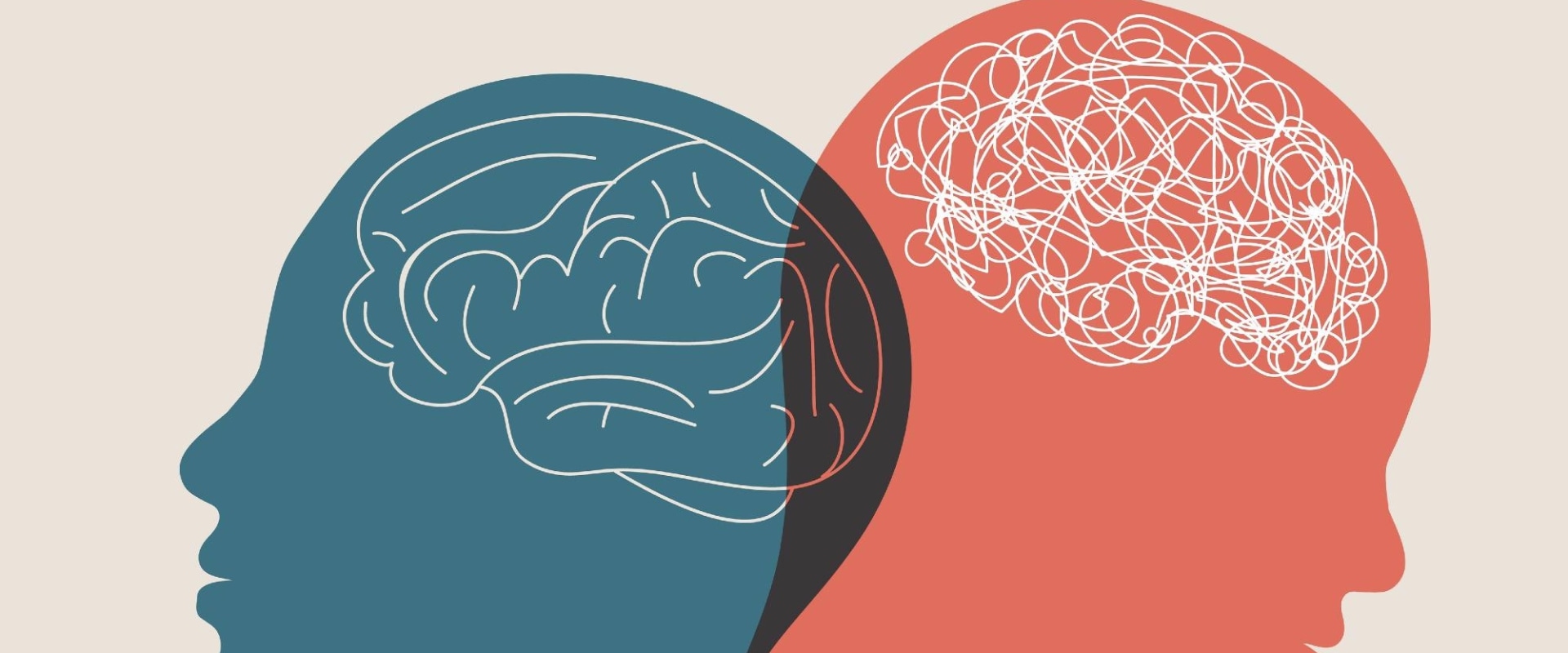
Mental illness encompasses a wide range of conditions that affect an individual's emotional, psychological, and social well-being. It is a term that describes disorders that can disrupt daily functioning, influence thoughts and feelings, and alter behavior. Understanding mental illness is crucial, as it not only impacts the individual but also extends to families, communities, and society at large. The stigma surrounding mental health often leads to misconceptions and a lack of awareness, which can prevent individuals from seeking the help they need.The significance of mental health cannot be overstated.
Just as physical health is vital for overall well-being, mental health plays an equally important role in how we think, feel, and act. It influences our ability to cope with stress, relate to others, and make choices. When mental health issues arise, they can lead to a cascade of challenges that affect various aspects of life, including relationships, work performance, and overall quality of life. This is particularly relevant in the context of African American wellness, where cultural factors may influence perceptions of mental health and access to care.Raising awareness about mental illness is essential for fostering understanding and compassion within communities.
By educating ourselves about the signs and symptoms of various disorders, we can create a supportive environment that encourages open discussions about mental health. This understanding is especially important in marginalized communities where mental health issues may be overlooked or misunderstood. As we delve deeper into specific mental health disorders prevalent in the United States, it becomes clear that addressing these issues requires not only individual support but also systemic change to improve access to resources and treatment.
Prevalence of Mental Health Disorders in the United States
Mental health disorders are a significant public health concern in the United States, affecting millions of individuals across various demographics. According to the National Institute of Mental Health (NIMH), approximately 1 in 5 adults in the U.S. experience mental illness each year. This statistic translates to around 51.5 million people who are grappling with conditions that can severely impact their daily lives.Among the most prevalent mental health disorders are anxiety disorders, major depressive disorder, and bipolar disorder. Anxiety disorders, which include generalized anxiety disorder, panic disorder, and social anxiety disorder, affect about who are grappling with conditions that can severely impact their daily lives.Among the most prevalent mental health disorders are anxiety disorders, major depressive disorder, and bipolar disorder. Anxiety disorders, which include generalized anxiety disorder, panic disorder, and social anxiety disorder, affect about 19.1% of adults annually.
These disorders can lead to debilitating symptoms that hinder an individual's ability to function effectively in social and occupational settings.Major depressive disorder is another widespread issue, impacting approximately 7.1% of adults each year. This condition is characterized by persistent feelings of sadness and a lack of interest in previously enjoyed activities. The effects of major depression can be profound, leading to significant impairments in personal relationships and work performance.Bipolar disorder, which affects around 2.8% of adults , is marked by extreme mood swings that range from manic highs to depressive lows. These fluctuations can disrupt an individual’s life and create challenges in maintaining stable relationships and employment.When examining mental health statistics among different demographics, it is crucial to highlight the experiences of African Americans.
Research indicates that while African Americans face similar rates of mental health disorders as other groups, they often encounter unique barriers to accessing care. Stigma, cultural perceptions of mental health, and socioeconomic factors contribute to disparities in treatment and support.For instance, studies show that African Americans are less likely to seek mental health services compared to their white counterparts, despite experiencing higher levels of psychological distress. This gap underscores the need for culturally competent care that addresses the specific needs and concerns of African American communities.In summary, understanding the prevalence of mental health disorders in the United States is essential for developing effective interventions and support systems. By recognizing the unique challenges faced by different demographics, including African Americans, we can work towards improving access to mental health resources and fostering a more inclusive approach to wellness.
Common Mental Health Disorders
Mental health disorders are a significant concern in the United States, affecting millions of individuals and their families.Among these, anxiety disorders, major depression, and bipolar disorder are the most prevalent, each presenting unique challenges and symptoms.
Anxiety Disorders
Anxiety disorders encompass a range of conditions characterized by excessive fear or worry. These disorders can manifest in various forms, including:- Generalized Anxiety Disorder (GAD): Individuals with GAD experience chronic anxiety about everyday issues, often feeling overwhelmed by their worries.
- Panic Disorder: This disorder is marked by sudden and intense episodes of fear, known as panic attacks, which can lead to physical symptoms such as heart palpitations and shortness of breath.
- Social Anxiety Disorder: Those affected by this condition have an intense fear of social situations, leading to avoidance behaviors that can significantly impact their daily lives.
Major Depression
Major depression is a mood disorder that leads to persistent feelings of sadness and loss of interest in activities once enjoyed. Symptoms may include:- Fatigue or loss of energy
- Changes in appetite or weight
- Difficulty concentrating or making decisions
- Feelings of worthlessness or excessive guilt
each year. The causes can range from biological factors to life events such as trauma or loss. Major depression can severely impact an individual's ability to function in daily life, affecting work performance and personal relationships.
Bipolar Disorder
Bipolar disorder is characterized by extreme mood swings that include emotional highs (mania or hypomania) and lows (depression). Symptoms during manic episodes may involve:- Increased energy or activity levels
- Racing thoughts and rapid speech
- Impulsive behavior
The exact cause of bipolar disorder is not fully understood but is believed to involve genetic factors and neurochemical imbalances. The impact on daily life can be profound, often leading to difficulties in maintaining relationships and employment.Understanding these common mental health disorders is crucial for fostering awareness and encouraging individuals to seek help when needed. Early intervention can lead to effective treatment options that improve quality of life.
The Impact of Mental Illness on Daily Life
Mental illness can profoundly affect various aspects of an individual's daily life, often leading to significant challenges that extend beyond the individual to their families, friends, and communities. Understanding these impacts is crucial for fostering a supportive environment that promotes African American wellness and mental health.One of the most immediate effects of mental illness is on personal relationships.Individuals struggling with conditions such as anxiety or depression may find it difficult to connect with loved ones. This can lead to feelings of isolation and loneliness, as they may withdraw from social interactions or feel misunderstood by those around them. The stigma surrounding mental health issues can exacerbate these feelings, making it even harder for individuals to seek help or communicate their struggles.In the workplace, mental health challenges can significantly hinder performance and productivity. Employees dealing with mental illness may experience difficulties concentrating, completing tasks, or maintaining a consistent work schedule.
This can lead to increased absenteeism and decreased job satisfaction, which not only affects the individual but also impacts team dynamics and overall organizational health.Moreover, the financial implications of untreated mental health issues can be substantial. Individuals may face increased medical expenses due to therapy or medication, and potential job loss can lead to economic instability. This is particularly concerning within the African American community, where systemic barriers often limit access to quality mental health care.Overall well-being is also compromised when mental illness goes unaddressed. Chronic stress and emotional turmoil can lead to physical health problems, including cardiovascular disease and weakened immune function.
Therefore, recognizing the interconnectedness of mental and physical health is essential for promoting holistic wellness.To effectively support individuals facing these challenges, it is vital for communities to foster open dialogues about mental health. Education and awareness initiatives can help reduce stigma and encourage individuals to seek help without fear of judgment. By prioritizing mental wellness, we can create environments that not only support recovery but also enhance the quality of life for those affected by mental illness.
Mental Health Disparities in African American Communities
Mental health disparities in African American communities are a pressing issue that requires urgent attention. Despite the growing awareness of mental health, African Americans often face unique challenges that hinder their access to care and treatment.These challenges are deeply rooted in cultural, social, and economic factors that contribute to a cycle of stigma and neglect.One of the most significant barriers to mental health care for African Americans is the pervasive cultural stigma surrounding mental illness. Many individuals within these communities may view mental health issues as a sign of weakness or a personal failing, leading to reluctance in seeking help. This stigma can be exacerbated by historical trauma and systemic racism, which have fostered a distrust of medical institutions. As a result, many African Americans may choose to cope with their struggles in silence rather than reach out for professional support.Access to mental health care is another critical concern.
African American communities often experience disparities in mental health care , including limited availability of culturally competent providers. Many mental health professionals may lack an understanding of the specific cultural contexts and experiences that shape the lives of African Americans. This gap can lead to misdiagnosis or ineffective treatment plans that do not resonate with patients' lived experiences.Furthermore, socioeconomic factors play a significant role in these disparities. African Americans are more likely to face economic hardships, which can limit their ability to afford mental health services or transportation to appointments.
The lack of insurance coverage or inadequate insurance plans further complicates access to necessary care.To address these disparities, it is essential to promote culturally competent treatment. This involves training mental health professionals to understand and respect the cultural backgrounds of their clients, as well as integrating community-based approaches that resonate with African American values and traditions. By fostering an environment where individuals feel understood and supported, we can encourage more people to seek help and ultimately improve mental health outcomes within these communities.In conclusion, tackling the mental health disparities faced by African American communities requires a multifaceted approach that addresses stigma, improves access to care, and emphasizes culturally competent treatment. Only through collective efforts can we hope to create a more equitable mental health landscape for all individuals.
Barriers to Mental Health Care for African Americans
Accessing mental health care can be a daunting challenge for many African Americans, primarily due to a combination of socioeconomic factors, systemic racism, and a lack of representation within the healthcare system.Understanding these barriers is crucial for improving African American wellness and ensuring equitable access to mental health services.
Socioeconomic Factors
Many African Americans face economic hardships that can significantly hinder their ability to seek mental health care. Factors such as poverty, unemployment, and lack of health insurance contribute to this issue. According to the U. Census Bureau, African Americans are disproportionately represented in lower-income brackets, which can limit their access to quality healthcare services.
Without adequate financial resources, individuals may prioritize basic needs over mental health care, leading to untreated conditions that can worsen over time.
Lack of Representation in Healthcare Providers
The absence of culturally competent healthcare providers can also deter African Americans from seeking help. When individuals do not see themselves represented in their healthcare professionals, they may feel misunderstood or judged. This lack of representation can create a barrier to open communication and trust, which are essential for effective treatment. Furthermore, studies have shown that African Americans are less likely to receive appropriate mental health diagnoses and treatments compared to their white counterparts.
Systemic Racism
Systemic racism within the healthcare system further complicates access to mental health services for African Americans.
Discrimination can manifest in various forms, including biased treatment from healthcare providers and unequal distribution of resources. This systemic bias can lead to a reluctance among African Americans to seek help due to fears of being treated unfairly or inadequately. Additionally, historical trauma related to racism can contribute to mental health issues within the community, creating a cycle that is difficult to break.
Stigma Surrounding Mental Health
Stigma surrounding mental health issues is another significant barrier faced by many African Americans. Cultural beliefs may discourage individuals from discussing their mental health struggles openly or seeking professional help.
This stigma can lead to feelings of shame and isolation, further exacerbating mental health problems.Addressing these barriers requires a multifaceted approach that includes increasing awareness about mental health issues within the African American community, promoting culturally competent care, and advocating for systemic changes in the healthcare system. By understanding and dismantling these obstacles, we can pave the way for improved African American wellness and better access to essential mental health services.
Promoting Wellness in African American Communities
Promoting wellness in African American communities is essential for addressing the unique mental health challenges faced by individuals within these populations. Effective strategies and programs can significantly enhance mental health outcomes and foster a supportive environment.Community Initiatives
- Health Education Workshops: Many organizations offer workshops that focus on mental health awareness, coping strategies, and the importance of seeking help. These workshops often include culturally relevant content that resonates with community members.
- Peer Support Groups: Establishing peer-led support groups allows individuals to share their experiences in a safe space.
These groups can provide emotional support and reduce feelings of isolation, which are common among those dealing with mental health issues.
- Cultural Events: Hosting cultural events that celebrate African American heritage can promote community cohesion and resilience. These events often include discussions on mental health, encouraging open dialogue about emotional well-being.
Wellness Programs
- Mindfulness and Meditation Classes: Programs that teach mindfulness techniques can help individuals manage stress and anxiety. These classes often incorporate elements of African American culture, making them more relatable and effective.
- Physical Activity Initiatives: Regular physical activity is crucial for mental health. Community fitness programs, such as group exercise classes or walking clubs, encourage participation while promoting physical and mental wellness.
- Access to Mental Health Resources: Ensuring that community members have access to mental health professionals who understand their cultural context is vital.
This can include partnerships with local clinics or telehealth services that cater specifically to African American populations.
Conclusion
By implementing these strategies and fostering a culture of support, African American communities can enhance their overall wellness. It is crucial for individuals to know that they are not alone in their struggles and that help is available through community resources and initiatives.
Seeking Help: Resources for Mental Health Support
For individuals grappling with mental health challenges, seeking help is a crucial step towards recovery. Fortunately, there are numerous resources available that cater specifically to the needs of African Americans, ensuring culturally competent care and support. Below is a comprehensive list of resources that can provide assistance.Hotlines for Immediate Support
- National Suicide Prevention Lifeline: Call 1-800-273-TALK (1-800-273-8255) for 24/7, free, and confidential support for people in distress.
- Crisis Text Line: Text "HELLO" to 741741 to connect with a trained crisis counselor via text message.
- Substance Abuse and Mental Health Services Administration (SAMHSA): Call 1-800-662-HELP (1-800-662-4357) for information on mental health and substance use treatment options. Call 1-800-662-HELP (1-800-662-4357) for information on mental health and substance use treatment options.
Local Organizations and Support Services
- The Black Mental Health Alliance: This organization provides resources, training, and support specifically for the African American community.
Visit their website for more information on local events and services.
- National Alliance on Mental Illness (NAMI): NAMI offers a variety of programs and resources tailored to African Americans. Their helpline can assist in finding local support groups.
- Therapy for Black Girls: An online platform that connects Black women and girls with therapists who understand their unique experiences. The directory allows users to find mental health professionals in their area.
Online Platforms for Mental Health Support
- BetterHelp: An online therapy platform that offers affordable counseling services. Users can select therapists who specialize in issues relevant to the African American community.
- Psychedelic Science: This organization focuses on the intersection of mental health and cultural identity, providing resources and community support for those exploring alternative therapies.
Remember, reaching out for help is a sign of strength, and there are many avenues available to assist you on your journey towards wellness.
Conclusion: The Path Forward for Mental Health Awareness and Support
As we reflect on the profound impact of mental illness, it becomes increasingly clear that understanding these challenges is essential for fostering a healthier society. The prevalence of mental health disorders, particularly within the African American community, underscores the urgent need for awareness and advocacy. By recognizing the unique struggles faced by this demographic, we can begin to dismantle the stigma surrounding mental health and promote a culture of openness and support.Throughout this article, we have explored various mental health issues, including anxiety disorders, major depression, and bipolar disorder. Each of these conditions not only affects individuals but also ripples through families and communities, creating a cycle of distress that can be difficult to break.It is crucial to acknowledge that mental health is not merely an individual concern; it is a collective responsibility that requires community engagement and systemic change.To pave the way forward, we must prioritize the following:
- Education and Awareness: Increasing knowledge about mental health issues can empower individuals to seek help and support others in their journey. Community workshops, school programs, and public campaigns can play a vital role in spreading awareness.
- Access to Resources: Ensuring that mental health services are accessible to all, particularly in underserved areas, is critical. This includes providing affordable therapy options, crisis intervention services, and culturally competent care that respects the unique experiences of African Americans.
- Advocacy for Policy Change: Engaging in advocacy efforts to influence mental health policies can lead to better funding for services and programs tailored to the needs of marginalized communities. This includes pushing for legislation that addresses social determinants of health.
- Community Support Systems: Building strong support networks within communities can provide individuals with the encouragement they need to seek help.
Peer support groups, mentorship programs, and community centers can serve as safe spaces for sharing experiences and resources.